
Fun and Storytelling!
In Design <> Research, we dove into cultural probes. I found these more playful than the other design research methods we were shown. I liked how Gaver et al. introduced their probes to their participants as “a kind of gift” and “a way for us [them] to get to know you [the participants] better, and for you [the participants] to get to know us [them]” [7]. Especially because our community was newcomers to Carnival in Oeteldonk, we thought this fun element would be worth exploring and incorporating into our probes (CA). We noticed this playfulness also came back in the responses we got. Some participants responded informally (see Figures 17 and 18), which I enjoyed but did not expect. Others, on the other hand, replied more creatively, and it was clear that they put effort into it (see Figures 19, 20, and 21).


Figures 17, 18, 19, and 20 (in order). Carnival Map: Response to “Where did you celebrate Carnival? What costumes did you see there?”; Postcard: Response to “What was your first impression of Carnival?”; Phone Enclosure: Response to “Can you take a photo of a facial expression of someone in the crowd that you would (not) approach?”; Patch: Response to “Design these patches with what you like about Carnival!”.

Figure 21. Create your own Carnival costume! Response to “If you’re going to Oeteldonk for the first time and you don’t have the traditional costume, what would you wear?”.
Making and presenting the escape room for Designing Connected Experiences was also fun for everyone, and I learned more about connecting different components through OOCSI and forming them into a system that makes sense (TR)(MDC). See the figures below!

Figures 22 and 23. Video and Photo taken by Diede van Marle.
Continue to decenter myself, using what I learned from the ‘Designing with More-than-Human Worlds’ elective, and expand my knowledge through literature.
My Sustainability & Design tutor mentioned that thinking as crazily as possible will push human-centered thinking away, and along the same line of thought, I believe including this playfulness in everything I do will help me be more creative (CA). This course also helped me expand my knowledge about multispecies or more-than-human and life-centered design.
Expand prototyping and documenting skills by exploring as many different materials, techniques, and combinations as possible, with a focus on their goal.
Experiment more with photography and videography by attending workshops offered by Dekate Mousa at least twice a month.
Regarding storytelling, which has been implicitly mentioned throughout this portfolio, I improved my documentation by challenging how I think about and present things (see Figures 24 and 25), and sharpening my photography knowledge and skills (see Figures 26, 27, and 28). I did the former by developing my visual language through playful annotations on pictures in the pictorial for Aesthetics of Interaction (CA), and the latter by attending various workshops with some friends. I’m finally grasping how the exposure triangle works (TR)! This was a goal I also set last year. I think the social aspect of these ways of learning motivates me to go to these workshops, so in the future, I will ask my friends if they want to go with me more often.


Figures 24 and 25 (in order). Unfinished Professional Branding Workshop. This way of completing the diagram helped me get unstuck and think about what was most important for each category, giving me a solid start on this portfolio. Creative brainstorming in Project 3 helped us do something similar; Pictorial Picture Example.
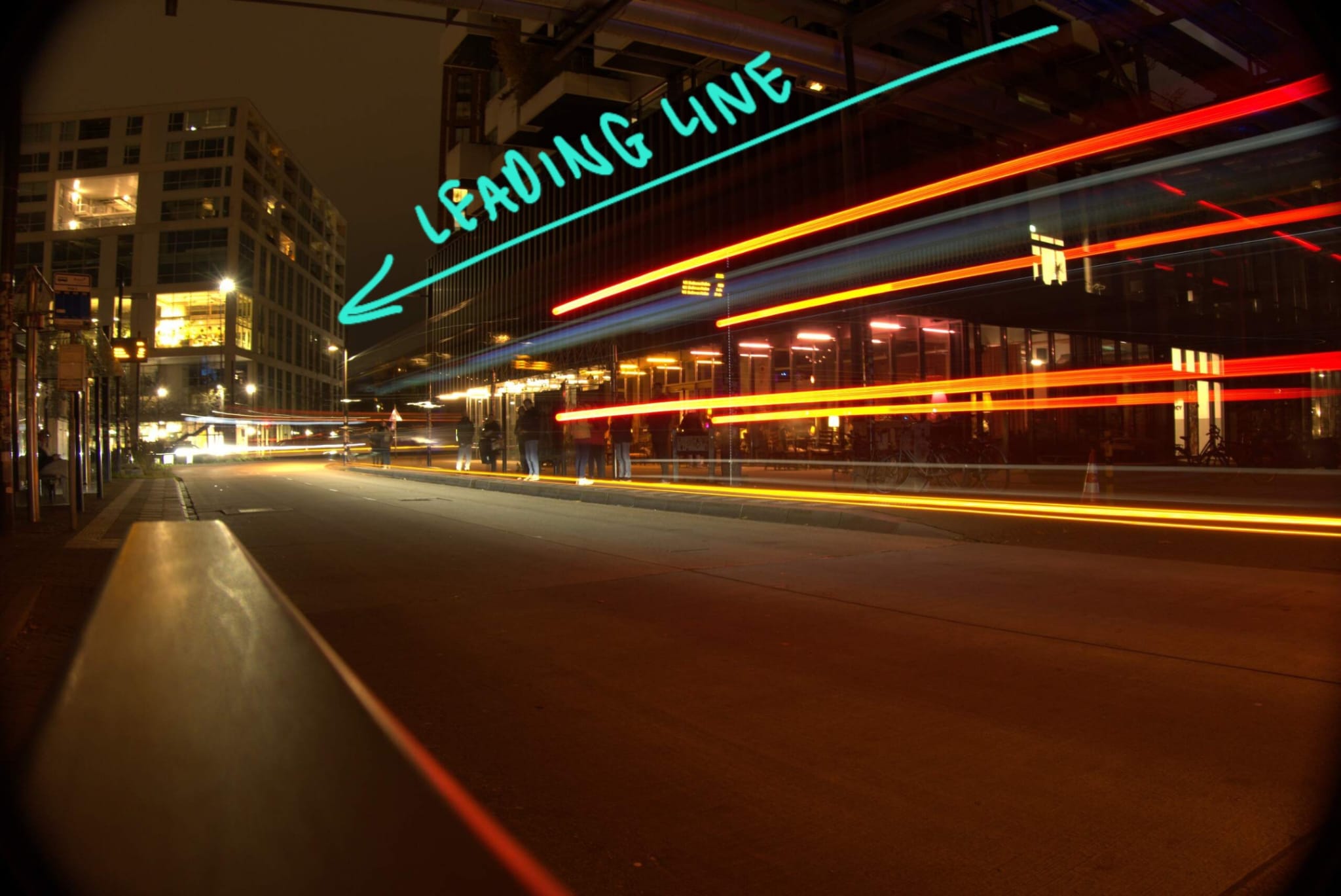
Figure 26. Night Photography Workshop.

Figure 27. Silhouette Workshop.

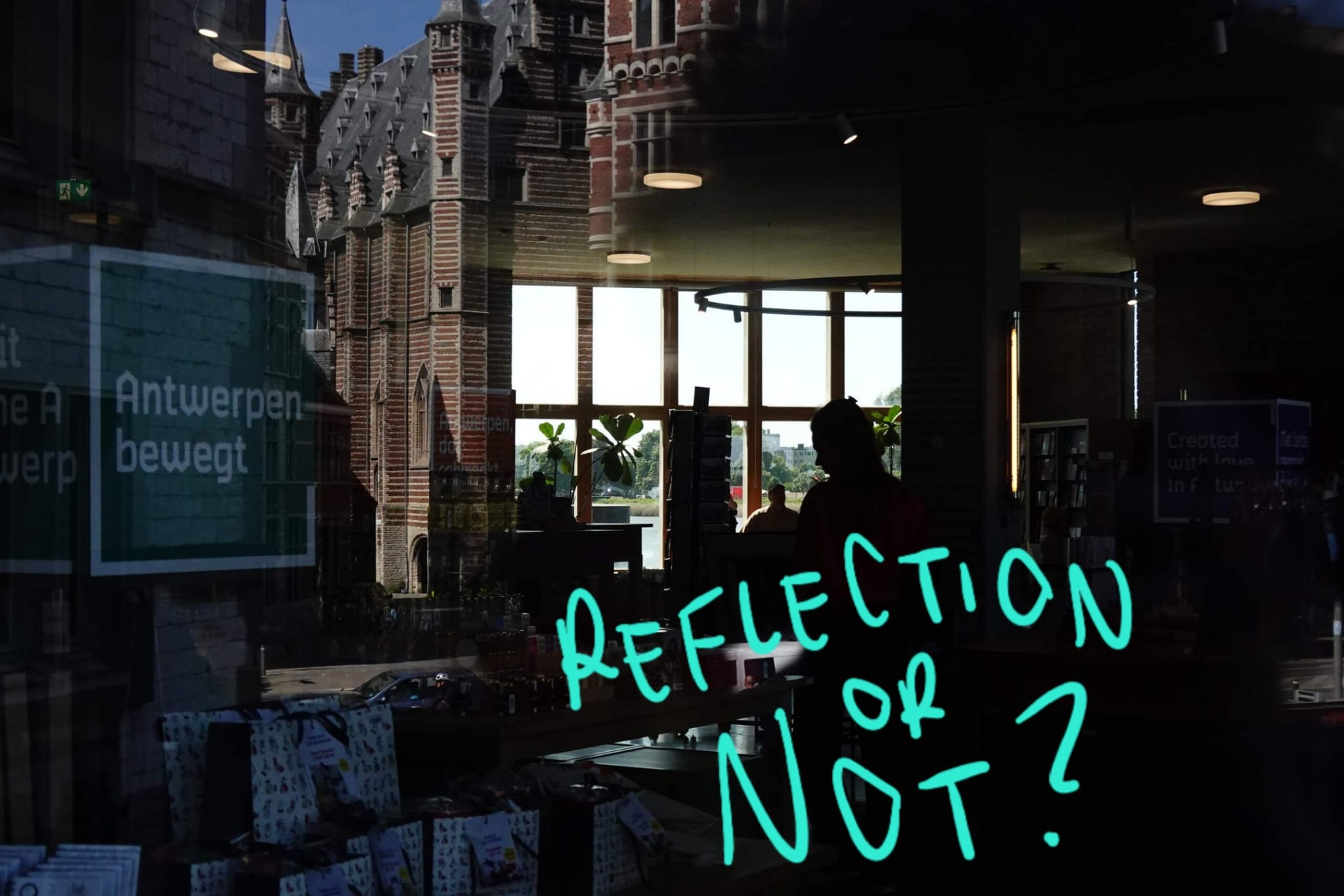

Figure 28. Antwerp Photo Trip.
Learn the basics of HTML, CSS, and JS by following the Codecademy courses.
To tell this story of my development over the past year more effectively, I learned HTML, a bit of CSS, and JS (specifically for the images!).
Delve into typography by reading related literature and using these findings to create new fonts that suit future projects.
I also adapted a font for CBL Project 3. We didn’t use it, but I was still proud of it!
[7] B. Gaver, T. Dunne, and E. Pacenti, “Design: Cultural probes,” Interactions, vol. 6, no. 1, pp. 21–29, Jan. 1999, doi: 10.1145/291224.291235.